Projects
How a Heart Shaped Recycling Bin Is Supporting Student Mental Health
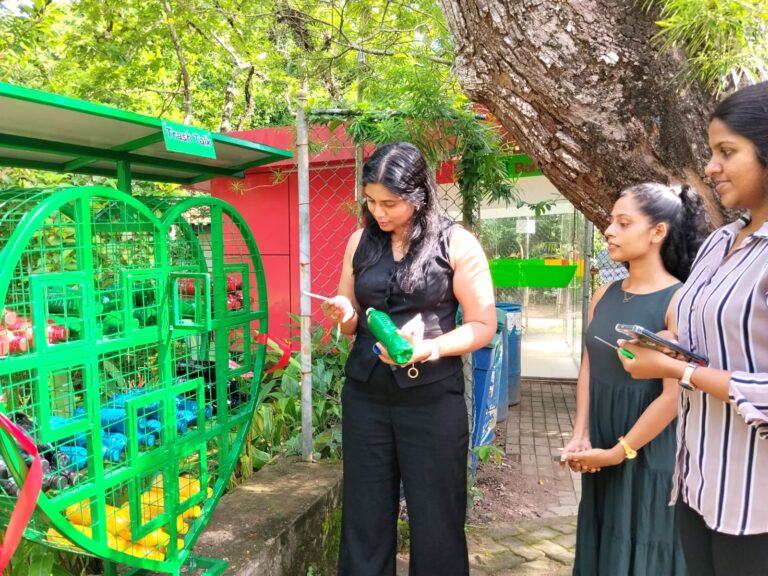
A Heart Made of Plastic Bottles, Filled with Something Unexpected
On a university campus where students rush between lectures and deadlines, a heart shaped container made entirely from reused PET plastic bottles stands quietly in a common area. It does not collect trash in the usual sense. It collects feelings.
Project Trash Talk 2.0, organized by ZeroPlastic Movement, invites students to pause, acknowledge how they are feeling, and drop a note into the container under a category that reflects their emotional state. In return, they find a small motivational message waiting inside one of the repurposed bottles. It is a simple exchange, but one that bridges two challenges rarely discussed together: plastic pollution and mental well-being.
What Changed in Version 2.0
The original Trash Talk container had already introduced the concept of linking environmental consciousness with emotional expression. But the reopening brought several meaningful upgrades grounded in real research. Psychology undergraduates collaborated with the team to develop new bilingual motivational quotes in both Sinhala and English, drawing on psychological research to ensure the messages carried genuine value rather than hollow encouragement. The feeling categories were also revised to more accurately reflect the range of emotional experiences students actually go through, moving beyond generic labels toward language that resonates.
The heart shaped container itself was renewed using reused PET plastic bottles and refreshed with ZeroPlastic branding, reinforcing the project’s commitment to sustainability and the circular economy. Every element of the installation serves a dual purpose, reminding students that discarded materials can be transformed into something meaningful, just as difficult emotions can be acknowledged and reframed.
Making It Accessible
One of the most practical additions was a new category display board with clear usage instructions. A QR code printed on the board links to a dedicated blog explaining the project’s purpose, how to use the container, and why both mental well-being and plastic recycling matter. This small digital bridge ensures that even students encountering the container for the first time can understand its intention without needing someone to explain it in person.
A social media campaign accompanied the reopening, encouraging students across the university community to engage with the initiative. Rather than treating the campaign as promotion, it served as an extension of the project itself, normalizing conversations about emotional health while strengthening awareness of sustainable practices.
Where Sustainability Meets Care
What makes Project Trash Talk 2.0 worth paying attention to is its refusal to treat environmental conservation and student welfare as separate issues. The container stands as physical proof that community action can address more than one problem at a time. A student who stops to read a quote written by a psychology undergraduate, pulled from a bottle that once held water and would have otherwise ended up in a landfill, is participating in something layered. They are engaging with mental health support. They are witnessing plastic reuse in practice. They are part of a campus culture that values both.
The project aligns naturally with UN Sustainable Development Goal 3 on good health and well-being and Goal 12 on responsible consumption and production, not through grand declarations but through a quiet, heart shaped structure that asks one honest question: how are you feeling today?