Our work
Four stages, one goal: plastic that never reaches nature
ZeroPlastic works across the whole chain. We stop plastic before it is used, help organisations measure and verify what they cut, remove what has already escaped, and build the alternatives that replace it.
-
Prevention
Awareness and education
What it means
Stopping plastic from being used in the first place, which is the only intervention that costs nothing to clean up later.
What we do
We run awareness and education programmes through university, school and community clubs, reaching people where they study, work and live.
Activities
- Campus and school awareness campaigns
- Community education sessions
- Public campaigns around national and global environmental days
How it reduces plastic. Every item refused is an item that never needs collecting, sorting or disposing of.
-
Assessment
ZeroPlastic Commitment Standard
What it means
Measuring what an organisation actually uses, so reduction can be verified rather than claimed.
What we do
We support organisations working towards recognition under the ZeroPlastic Commitment Standard, which carries independent third-party verification by Control Union.
Activities
- Organisational plastic assessments
- Progression through defined commitment levels
- Independent verification of results
How it reduces plastic. Verified baselines turn corporate intent into measurable reduction.
-
Removal
Environmental protection
What it means
Recovering the plastic already in the environment before it breaks down into microplastics.
What we do
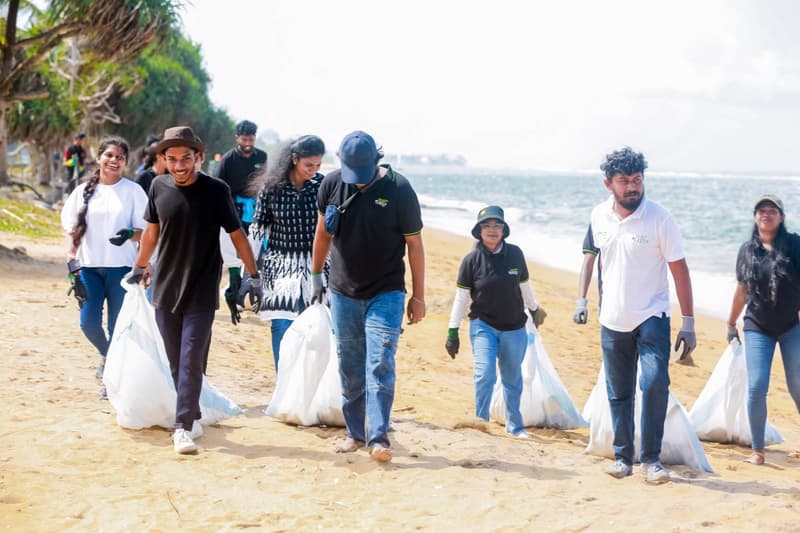
We organise volunteer-led clean-up campaigns across coastlines, waterways and public spaces, and deploy traps that capture waste in waterways before it reaches the ocean.
Activities
- Coastal and beach clean-ups
- Waterway and canal clean-ups
- Clean-up campaigns with universities, schools and partners
How it reduces plastic. Removal protects marine life now and stops larger items fragmenting into microplastics.
-
Reduction
Empowering alternatives
What it means
Making the non-plastic option available, affordable and normal, so refusing plastic is practical.
What we do
We support the industries and innovators producing sustainable alternatives, and build demand for what they make.
Activities
- Supporting local producers of plastic alternatives
- Promoting reusable and refill systems
- Connecting alternatives to businesses and consumers
How it reduces plastic. Alternatives close the gap between wanting to avoid plastic and being able to.
How it fits together
The four stages are not separate programmes
A clean-up recruits volunteers. Those volunteers form a club. The club runs education sessions, and the students in them ask their university to cut single-use plastic. That request becomes an institutional commitment, and the commitment creates demand for an alternative supplier.
Each stage feeds the next, which is why we run all four rather than specialising in one.
Where the work shows up
Programmes across the movement
Policy is the part that lasts
Behaviour change and clean-ups matter, but the decisions that put plastic on the market are made upstream. That is where our advocacy work sits.