Advocacy and system change
Clean-ups treat the symptom. Policy treats the cause.
ZeroPlastic is not only a clean-up organisation. Alongside the volunteers on the ground we work on behaviour change, policy advocacy and systemic solutions, because every piece of plastic on a Sri Lankan beach was a decision made somewhere upstream.
Three levers, used together
Behaviour change gets people to refuse plastic. Policy makes refusing it the default. Market building puts the alternative within reach at the moment someone needs it. Remove any one of the three and the other two stall.
That is why our advocacy runs alongside the club network and the clean-ups rather than instead of them. The volunteers who fill sacks on a Saturday are the same people asking their university, employer or ministry to stop buying the thing they just collected.
What we are campaigning for
These are positions we are actively advocating. None of them describes law already in force.
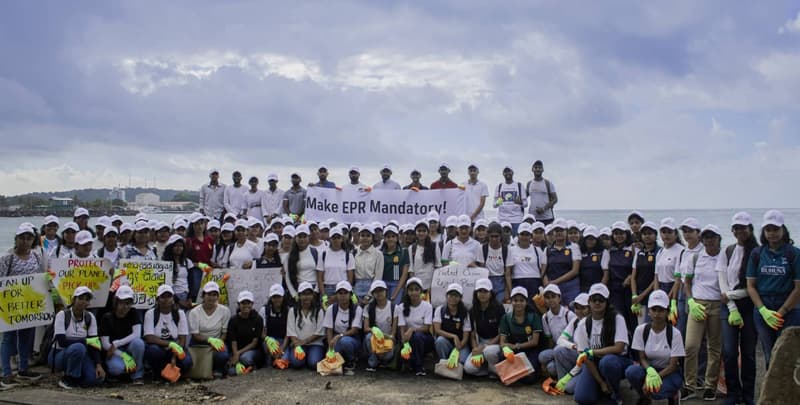
Make Extended Producer Responsibility mandatory
Advocating for mandatory Extended Producer Responsibility, so the companies that place plastic on the market carry the cost and the duty of recovering it.
End single-use PET water bottles in government institutions
Campaigning for Sri Lankan government institutions to eliminate single-use PET drinking-water bottles and move to refill and reuse systems.
Cut single-use plastic in institutional operations
Working with institutions and businesses to design single-use plastic out of everyday operations, rather than managing it as waste after the fact.
Promote reusable systems and alternatives
Making refill and reuse practical, and building demand for the local producers whose alternatives replace single-use plastic.
Shift institutional behaviour
Changing procurement habits, event practice and everyday defaults inside organisations, so reduction outlasts any single campaign.
Campaigning in public
Pressure that institutions can see
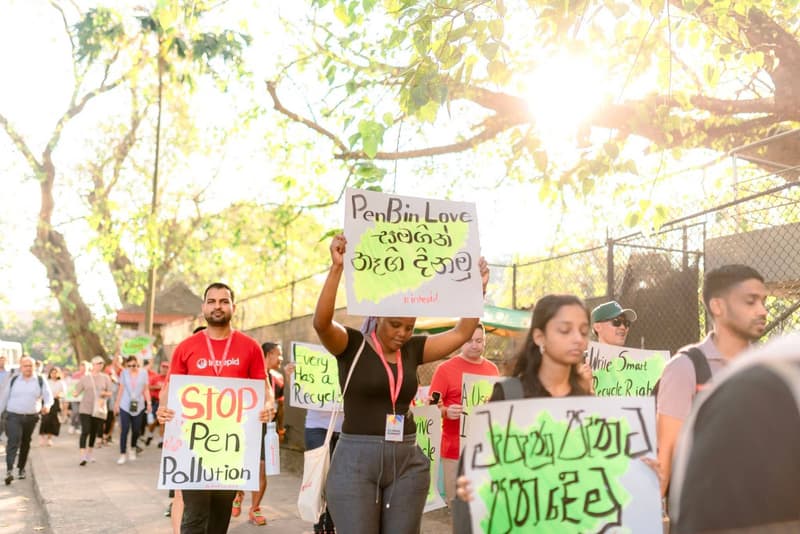
Advocacy is not only submissions and meetings. Public campaigns make the case visible, bring partners and their teams into the argument, and give institutions a reason to move.
Campaigns such as PEN BIN Love, which targets the plastic pollution caused by disposable pens, show how a specific, everyday product can become the entry point for a much wider conversation about single-use plastic.
Work with us on policy
Institutions, businesses and organisations cutting single-use plastic in their own operations are the fastest route to system change. Tell us what you are trying to do.