Projects
Serving 3000 Devotees With Belimal and Saplings on Poson Poya
Seven Hours, Three Thousand Cups, and a Sapling for the Journey Home
By mid-morning on Poson Poya Day, the sun had already settled heavily over the Malambe Mahamewnawa Bhawana Asapuwa, and the line of devotees stretched well beyond the temple grounds. Among them, a group of young volunteers moved steadily between large steel pots and serving stations, ladling cool belimal into cups and pressing small plant saplings into the hands of anyone willing to carry one home.
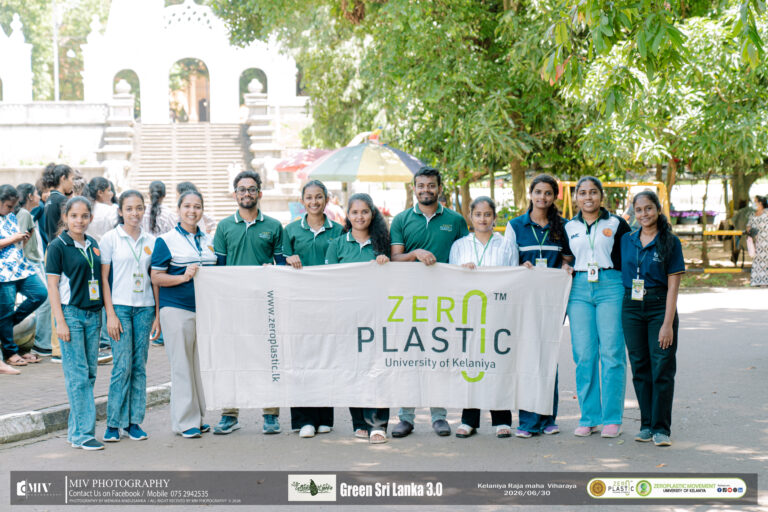
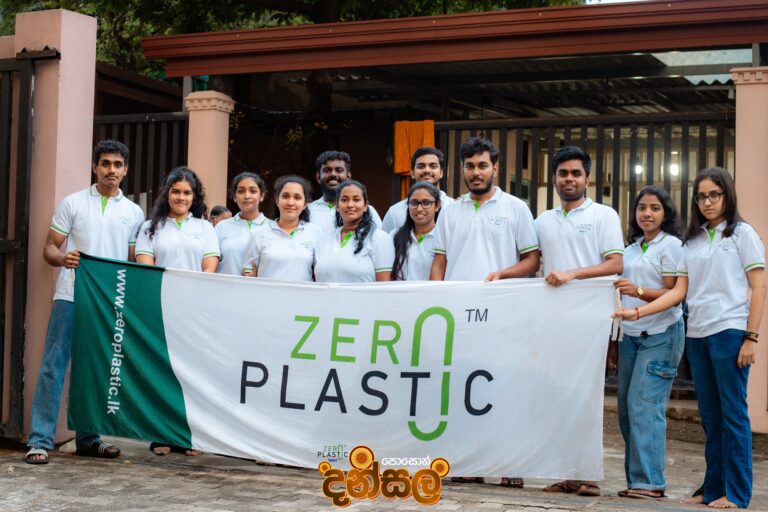
The Plant Distribution and Belimal Dansal project took place on 29 June 2026 at the Buddhist monastery in Malambe, a site known formally as Budu Pasebudu Arahanthaka Maha Viharaya. The initiative was organized by ZeroPlastic Movement as a community service effort timed to coincide with one of the most significant days on the Sri Lankan Buddhist calendar, a day traditionally marked by acts of generosity and reflection.
A Tradition Reimagined with Purpose
Dansals, the free distribution of food and drink to passersby and pilgrims, are a deeply rooted Poson tradition across Sri Lanka. What set this particular dansal apart was its deliberate pairing of that tradition with environmental conservation. Alongside the belimal beverages, the team distributed plant saplings to devotees, turning a familiar cultural practice into an opportunity to encourage tree planting and greener communities.
Approximately 15 to 20 organizing committee members and volunteers ran the operation continuously for seven hours. Over the course of that stretch, they served refreshing belimal drinks to more than 3,000 devotees. Each interaction was brief but intentional. Volunteers explained the purpose behind the saplings and encouraged recipients to plant them in their home gardens or neighborhoods, connecting an act of devotion with a commitment to sustainability.
What the Numbers Do Not Show
The measurable outcomes were clear enough. Over 3,000 people served. Hundreds of saplings distributed. Seven unbroken hours of service in the heat. But the less visible results mattered just as much. The project strengthened collaboration among its young volunteers, many of whom gained practical experience in event coordination, leadership and communication under real pressure. Managing logistics for thousands of people with a small team demanded careful planning and the kind of quick problem-solving that no classroom exercise can replicate.
For the devotees who passed through, the sapling offered something tangible to take away from the day, a living reminder that environmental responsibility can be woven into everyday traditions rather than treated as a separate concern. The project demonstrated how youth leadership can bridge cultural heritage and environmental stewardship without forcing a choice between the two.
By aligning community service with tree planting and sustainability awareness, the initiative contributed meaningfully to goals reflected in UN Sustainable Development Goals 13 and 15, addressing climate action and life on land through grassroots community action. It was a small project by global standards, but for the volunteers who spent their Poson morning ladling belimal and handing out saplings under the midday sun, it was proof that generosity and environmental consciousness can share the same cup.