Blog
EU Sustainable Tourism Strategy 2026: Sri Lanka Impact
EU Sustainable Tourism Strategy 2026: What It Means for Sri Lanka
Europe is redefining sustainable tourism. Discover what the new European Union strategy means for Sri Lankan hotels, tour operators, plastic reduction and community-based tourism.
The European Commission introduced its EU Sustainable Tourism Strategy on 4 November 2026, setting out a vision for a more competitive, resilient and environmentally responsible tourism sector.
Alongside the new strategy, the OECD Tourism Trends and Policies 2026 report highlights how the international tourism industry is moving towards stronger environmental management, digital innovation and measurable benefits for local communities.
Although the EU strategy primarily addresses tourism within Europe, its direction is particularly relevant to destinations such as Sri Lanka that work with European travel companies and international visitors.
The central message: Sustainable tourism is increasingly about the measurable value tourism delivers to destinations, local communities and the environment, rather than visitor numbers alone.
What Is the EU Sustainable Tourism Strategy 2026?
The European Commission’s strategy, COM(2026) 777 final, builds on the European Agenda for Tourism 2030. It establishes priorities for the EU tourism ecosystem across three main pillars and ten action areas.
The strategy highlights six strategic goals, including strengthening competitiveness, promoting sustainable and accessible tourism, moving from tourism volume towards local value, building resilience and accelerating clean and digital transitions.
It also promotes international cooperation, responsible destination management and better use of environmental data.
What Does the OECD Tourism Report Say?
The OECD Tourism Trends and Policies 2026 report provides an international perspective on tourism competitiveness, resilience and sustainable development across 53 OECD and partner countries.
The report highlights the need for tourism models that support economic prosperity while protecting natural resources and providing tangible benefits to local communities.
Environmental Sustainability
Reducing environmental pressures, improving resource management and adapting tourism to climate risks.
Community Benefits
Supporting local businesses, creating employment and keeping greater tourism value within destinations.
Digital Innovation
Using reliable data and digital technology to improve tourism management and decision-making.
Together, these publications reinforce a significant international direction: sustainability, competitiveness and community wellbeing need to be addressed together.
What Does the EU Sustainable Tourism Strategy Mean for Sri Lanka?
Sri Lanka is not directly governed by the EU’s tourism strategy. However, European tour operators, travel agencies and hotel groups may increasingly seek destination partners that can demonstrate meaningful environmental and social commitments.
This creates opportunities for Sri Lankan tourism businesses to improve their sustainability practices and demonstrate how tourism contributes to local communities.
Key Opportunities for Sri Lankan Tourism
- Measure and reduce single-use plastic consumption in hotels and resorts.
- Improve waste management and document environmental performance.
- Introduce authentic community-based experiences into tour itineraries.
- Strengthen partnerships with environmentally responsible tour operators.
- Use digital technology to support transparent reporting.
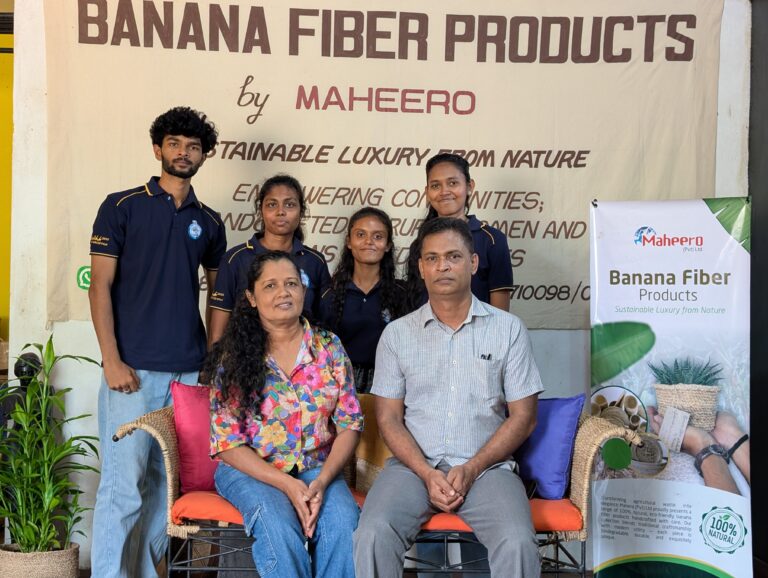
- Support local artisans and sustainable product supply chains.
For Sri Lanka, an important opportunity is to combine environmental protection with cultural heritage, community livelihoods and authentic visitor experiences.
How ZeroPlastic Movement Supports Sustainable Tourism
ZeroPlastic Movement is developing practical initiatives that connect environmental action, responsible tourism and community economic participation.
Three complementary initiatives demonstrate how sustainability principles can be translated into action at the destination level.
ZeroPlastic Commitment Standard (ZPCS)
The ZeroPlastic Commitment Standard is designed to help hotels, resorts and other organisations measure, manage and progressively reduce their plastic use.
The programme combines plastic-footprint measurement, baseline assessments, operational improvement plans and verification processes.
Its supporting digital platform allows participating organisations to upload supplier invoices, record plastic flows, analyse consumption and establish a three-month operational baseline.
Why This Matters
The EU strategy highlights the importance of circular business models and improved environmental measurement in tourism.
ZPCS offers a specialised approach to plastic management that may complement wider sustainability programmes used by tourism businesses.
The standard is not an EU certification and does not itself establish compliance with EU Ecolabel requirements.
One Traveller, One Kilogram
One Traveller, One Kilogram is a destination-impact initiative launching on 1 January 2027.
Under the programme, for each qualifying traveller visiting the ZeroPlastic Impact Center through a registered tourism partner, ZeroPlastic commits to collecting one kilogram of plastic waste in Sri Lanka.
The programme connects tourism participation with environmental activities supported by the ZeroPlastic volunteer network.
Registered partners can participate without an onboarding fee and receive reporting on the environmental activities associated with their qualifying travellers.
Collection and recovery activities complement, rather than replace, the prevention and reduction of plastic waste at source.
Explore One Traveller, One KilogramZeroPlastic Impact Center – Sigiriya
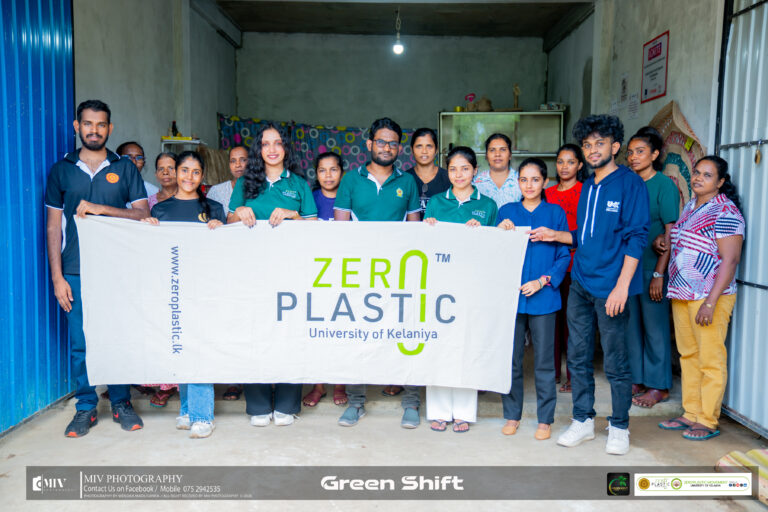
The ZeroPlastic Impact Center in Sigiriya connects travellers with traditional craftsmanship, plastic-free products and community-based tourism experiences.
The center supports a network of more than 350 local artisans and craftspeople, helping create opportunities for their products and skills to reach tourism markets.
Visitors can explore locally produced souvenirs and participate in hands-on experiences including coconut-shell crafting and traditional art activities.
For tour operators visiting Sigiriya, the center provides an opportunity to incorporate community participation and environmental awareness into existing travel itineraries.
The marketplace can be included as a free stop through registered tourism partners, while optional craft experiences can be arranged separately.
Discover the Impact CenterHow the EU Strategy Aligns With ZeroPlastic Initiatives
The following comparison illustrates areas of alignment between the EU strategy’s policy priorities and ZeroPlastic’s existing initiatives.
| EU Strategy Priority | ZeroPlastic Initiative | Practical Contribution |
|---|---|---|
| Clean and circular tourism | ZeroPlastic Commitment Standard | Plastic measurement, reduction planning and management of waste streams |
| Digital innovation and data | ZPCS Digital Platform | Digital records, baseline assessments and plastic-footprint reporting |
| Community economic benefits | ZeroPlastic Impact Center | Local artisan participation, craft experiences and sustainable product markets |
| Environmental responsibility | One Traveller, One Kilogram | Traveller-linked waste recovery and documented local environmental action |
| International collaboration | Tourism Partner Network | Cooperation with hotels, tour operators and destination management companies |
These connections reflect alignment with strategic objectives rather than any formal endorsement or recognition by the European Union.
The Future of Sustainable Tourism in Sri Lanka: 2027–2030
As sustainability expectations evolve, Sri Lankan tourism businesses have an opportunity to differentiate themselves through measurable operational improvements and credible community partnerships.
Hotels can strengthen plastic management and supplier reporting. Tour operators can incorporate authentic community experiences. Destination organisations can support better environmental monitoring and partnerships.
Five Priorities for Tourism Businesses
- Measure: Establish reliable baseline data on plastic use and waste generation.
- Reduce: Eliminate avoidable single-use plastics and improve operational practices.
- Verify: Support environmental claims with reliable evidence and appropriate independent verification.
- Engage: Create stronger links between tourism and local communities.
- Report: Communicate outcomes transparently to travellers and business partners.
Challenges That Must Be Addressed
Progress will depend on addressing the cost of implementation, data quality, operational capacity and the credibility of sustainability claims.
Plastic reduction is also only one part of responsible tourism. Climate emissions, water consumption, biodiversity, accessibility and fair employment remain important considerations.
Sustainability initiatives are most valuable when their outcomes are measurable, their methods are transparent and their benefits can be sustained over time.
“The future of tourism should not be measured only by how many people visit, but also by the positive difference tourism leaves behind.”
From Sustainability Commitments to Measurable Destination Impact
At ZeroPlastic Movement, we believe that responsible tourism becomes meaningful when environmental commitments translate into practical improvements for destinations and communities.
The ZeroPlastic Commitment Standard, One Traveller, One Kilogram and the ZeroPlastic Impact Center address different but complementary aspects of sustainable tourism.
One focuses on reducing operational plastic use. Another supports recovery of existing plastic waste. The third connects travellers with artisan livelihoods and culturally meaningful experiences.
Together, these initiatives offer a practical framework for engaging tourism businesses in environmental and community-focused action.
As the European Commission and OECD continue to promote more sustainable and resilient tourism, Sri Lanka has an opportunity to demonstrate how international sustainability principles can be adapted to local destination needs.
Frequently Asked Questions
What is the EU Sustainable Tourism Strategy 2026?
It is a European Commission strategy adopted on 4 November 2026 to strengthen tourism competitiveness, environmental sustainability, resilience, inclusiveness and digital innovation across the EU.
Does the EU tourism strategy apply to Sri Lanka?
The strategy primarily addresses EU tourism policy. It does not directly impose new tourism certification requirements on Sri Lankan businesses. However, its priorities may influence voluntary sustainability practices and partnerships involving European travel companies.
How can Sri Lankan hotels reduce single-use plastics?
Hotels can begin by measuring plastic purchases and consumption, identifying avoidable single-use items, introducing practical alternatives, improving waste segregation and monitoring progress over time.
What is the ZeroPlastic Commitment Standard?
It is a specialised plastic-management programme designed to help organisations establish baseline measurements, manage plastic consumption, implement reduction plans and verify outcomes.
What is One Traveller, One Kilogram?
It is a ZeroPlastic Movement initiative launching in January 2027. For every qualifying traveller visiting the Impact Center through a registered partner, the programme commits to collecting one kilogram of plastic waste in Sri Lanka.
How can European tour operators collaborate with ZeroPlastic?
Tour operators can explore incorporating the Sigiriya Impact Center into itineraries, participating in One Traveller, One Kilogram, and engaging with plastic-reduction initiatives through their destination partners.
Make Sustainable Tourism Measurable in Sri Lanka
We welcome partnerships with hotels, destination management companies, international tour operators and sustainability organisations interested in reducing plastic pollution and supporting local communities.
Discover how your organisation can contribute through the ZeroPlastic Movement tourism initiatives.
Become a Tourism PartnerLearn More About ZeroPlastic Movement
References & Further Reading
1. European Commission (2026)
EU Sustainable Tourism Strategy,
COM(2026) 777 final,
4 November 2026.
View European Commission Tourism Strategy
2. OECD (2026)
OECD Tourism Trends and Policies 2026.
OECD Publishing, Paris.
Read the OECD Tourism Report 2026
3. ZeroPlastic Movement
Sustainable tourism initiatives,
plastic reduction and community
engagement in Sri Lanka.
Visit ZeroPlastic.lk
Editorial note: This article presents ZeroPlastic Movement’s independent interpretation of the EU Sustainable Tourism Strategy and OECD Tourism Trends and Policies 2026. References to policy alignment do not imply formal approval, endorsement, accreditation or certification by the European Union or OECD. Descriptions of the ZeroPlastic initiatives are based on the organisation’s programme information as of November 2026.