Projects
New Science Freshers Join the Fight Against Plastic Pollution
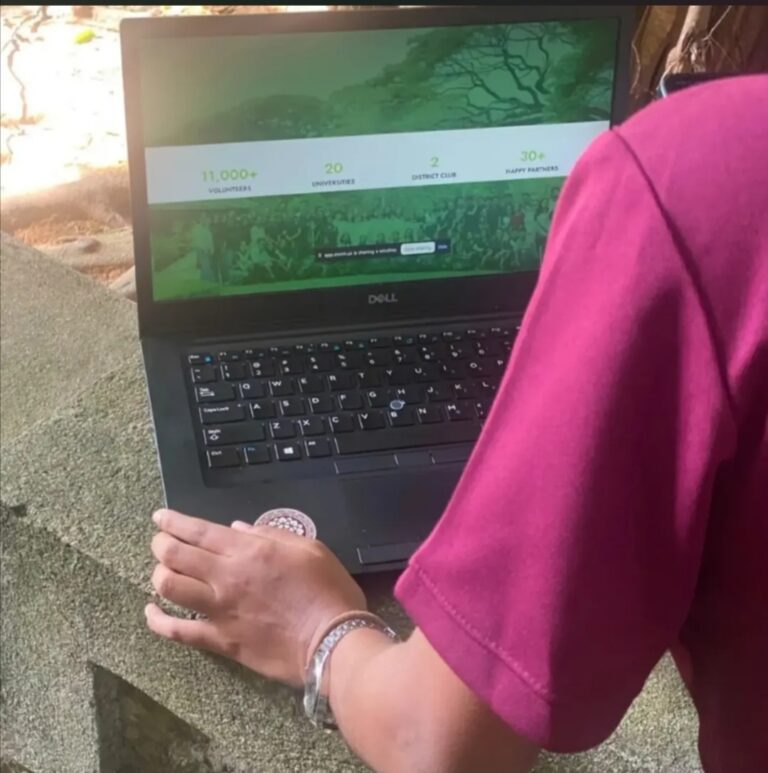
Somewhere behind a laptop screen on a quiet July morning, a first-year science student at the University of Ruhuna typed a question into the chat box: how can I get involved? It was a small moment, easy to miss in the flow of an online session, but it captured exactly what the organizers had hoped for when they planned ZeroWave’26 – Phase 2.4.
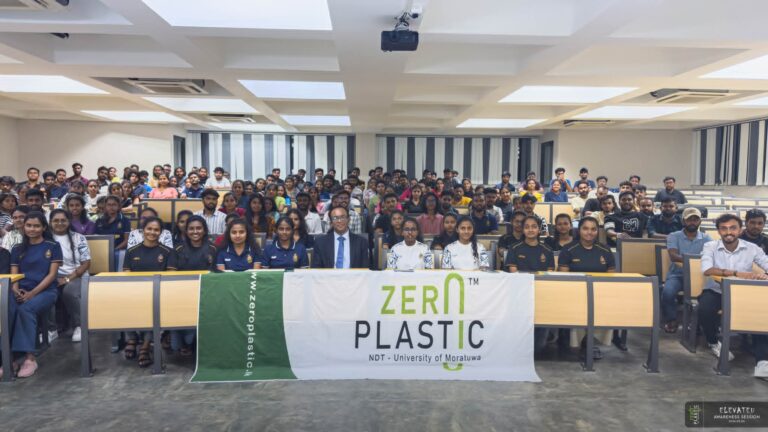
On 6th July 2026, dozens of newly enrolled students from the Faculty of Science, University of Ruhuna logged into an orientation program unlike the typical introductions to campus life. This one was not about library hours or exam schedules. It was about plastic pollution, environmental conservation, and the role young people can play in confronting one of the most persistent ecological challenges of their generation.
A Club With a Clear Mission
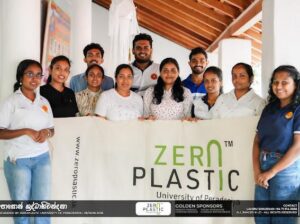
The session was organized by the ZeroPlastic Club, a student-led initiative operating under the broader vision of the ZeroPlastic Movement. The club has built a track record of environmental projects on campus and beyond, and this orientation was designed to bring the newest members of the university community into that fold. Organizers walked freshers through the club’s vision, mission, completed projects, and upcoming plans, giving them a concrete picture of what participation looks like rather than offering vague promises about making a difference.
Volunteers and senior members explained the real-world consequences of single-use plastic consumption and connected those facts to practical steps students could take during their university years. The conversation was not abstract. It was grounded in the club’s own track record and in specific volunteer opportunities that students could join immediately.
Conversation, Not Lecture
What set ZeroWave’26 – Phase 2.4 apart from a standard presentation was its interactive format. Rather than delivering a one-directional briefing,…