
Katuseya Cleanup Project 2.0: Community Action Toward a Zero Plastic Future
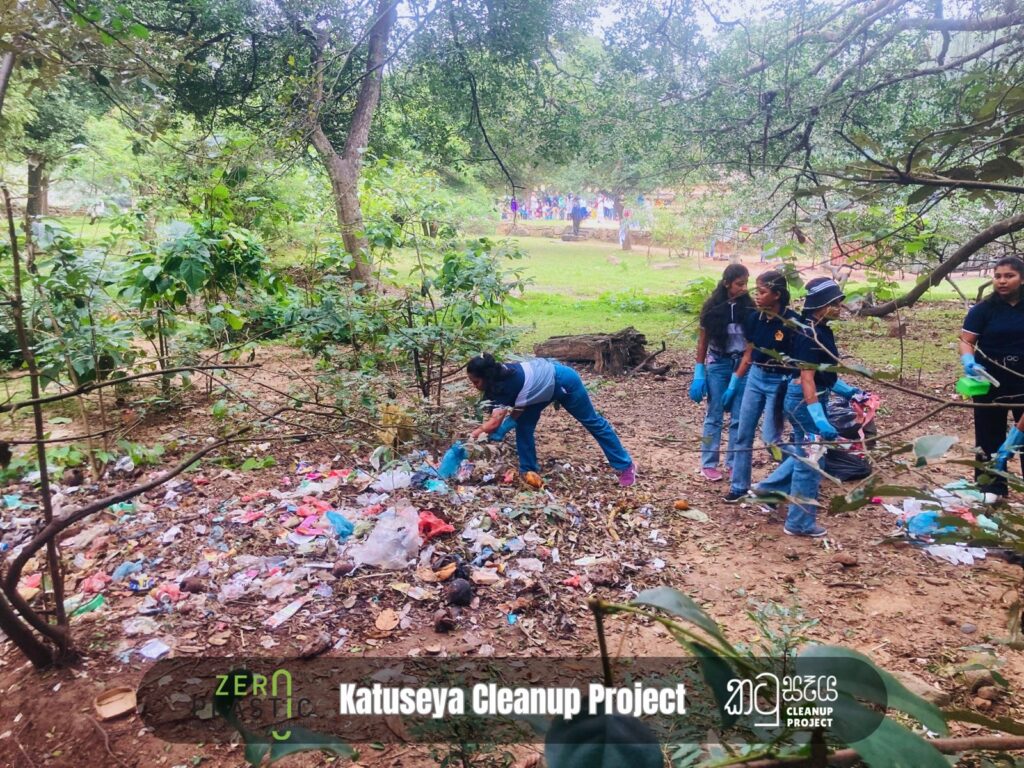
On 24 January 2025 the Katuseya Cleanup Project (Zero Plastic) mobilized community members and partners to remove plastic pollution and raise public awareness about sustainable waste practices. Led by the Rajarata Zero Plastic Community with guidance from the National Zero Plastic Movement and support from Rajarata University of Sri Lanka, the event brought together 35 volunteers and local sponsors including Mart and the new Sunflower Superstore in Dolosba.
Project Overview
The Katuseya Cleanup Project is a community driven initiative focused on reducing plastic pollution and restoring ecological balance in the Katuseya area and its surroundings. The project aims to build a plastic free culture through collective action, education, and lasting behavioral change. By engaging volunteers, youth groups, local organizations, and educational institutions the initiative seeks to protect biodiversity and improve public health while demonstrating practical, locally led solutions.
Event Highlights
The physical cleanup took place from 9:30 am to 12:30 pm and combined hands on removal of plastic waste with community outreach. Thirty five volunteers, including members of the organizing committee and local residents, collected plastic debris from shorelines and public spaces, reducing immediate threats to local ecosystems and wildlife. The presence of institutional and business partners illustrated how cross sector collaboration can amplify impact.
Impact
- Environmental: Direct removal of plastic waste helped reduce pollution risks to freshwater and terrestrial habitats and supported local biodiversity protection.
- Social: The event strengthened community participation and public awareness, empowering residents with knowledge and practical habits that reduce exposure to harmful plastic materials.
- Economic and behavioral: By highlighting reusable and sustainable alternatives the initiative encouraged businesses and consumers to adopt cost effective, environmentally responsible practices.
Why This Matters Internationally
Plastic pollution is a global concern that affects ecosystems, livelihoods, and public health. Community led responses such as the Katuseya Cleanup Project offer scalable examples of how local action translates into measurable outcomes. The National Zero Plastic Movement, with an extensive volunteer network, demonstrates how organized civic engagement can mobilize resources and sustain long term change. Lessons from Katuseya are relevant to international practitioners seeking community based strategies that combine education, stakeholder partnership, and practical cleanup operations.
Next Steps and Call to Action
The Katuseya Cleanup Project now moves into a phase of ongoing outreach, workshops, and partnerships to promote better waste management, recycling, and reuse. Community leaders and partners plan to continue events and educational programs that reinforce zero plastic habits and support policy and practice changes at local levels. Readers are encouraged to support community cleanups, choose reusable alternatives, and share best practices so that local successes can inform broader efforts to reduce plastic pollution globally.
By uniting volunteers, institutions, and businesses the Katuseya Cleanup Project exemplifies how collective effort can create healthier, more resilient environments for present and future generations.