
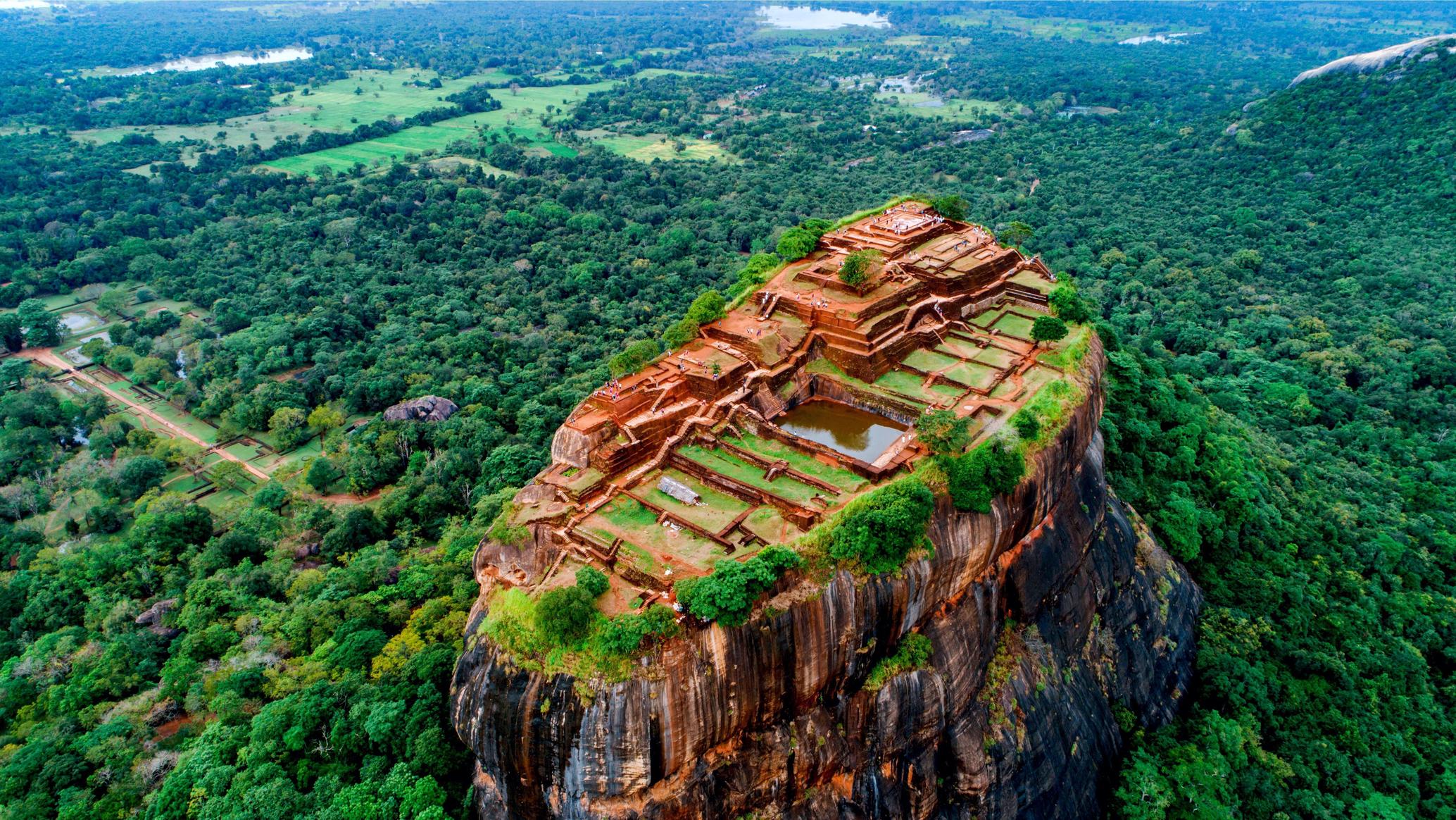
Sigiriya, Sri Lanka
Sigiriya, Sri Lanka: History, Things to Do and a Local Guide
Discover the history of Lion Rock, plan your visit, explore local experiences and learn how your trip can support the people who call Sigiriya home.
Sigiriya at a glance
- Country
- Sri Lanka
- District / Province
- Matale District, Central Province
- Known for
- Ancient rock fortress, frescoes and gardens
- UNESCO status
- World Heritage Site since 1982
- Historic period
- 5th century CE, reign of King Kasyapa I
- Nearest larger town
- Dambulla
- Typical visit length
- Half a day for the rock and gardens
- Best time of day
- Early morning, before heat and crowds build
- Families
- Popular, though the climb suits older children better
In this guide
- What is Sigiriya?
- Why is Sigiriya famous?
- Sigiriya history
- Sigiriya and Ravana
- Is Sigiriya a Wonder of the World?
- Planning your visit
- Things to do in Sigiriya
- After Sigiriya Rock
- Families and children
- Local crafts and artisans
- How tourists can support Sigiriya
- Supporting the local community
- Volunteering in Sigiriya
- Helping protect Sigiriya
- Sustainable tourism
- Before you leave, give back
- The ZeroPlastic Impact Center
- FAQ
What is Sigiriya?
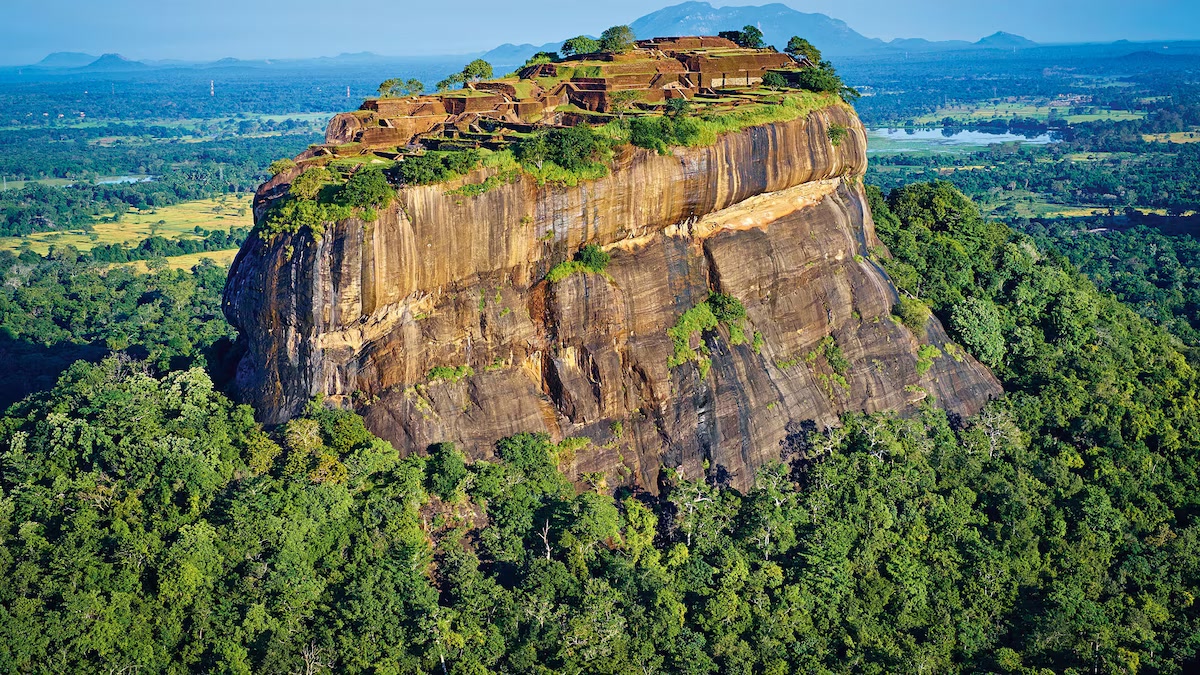
Sigiriya is an ancient rock fortress and archaeological site in Sri Lanka, built on and around a column of rock roughly 200 metres high that rises abruptly from the surrounding plain.
It sits in the Matale District of the Central Province, near the town of Dambulla, within the area often called Sri Lanka's Cultural Triangle. The site combines a fortified summit palace, terraced gardens, moats and ramparts, and it has been a UNESCO World Heritage Site since 1982.
People visit Sigiriya for its dramatic setting, its 5th century royal history, its surviving frescoes and gardens, and the sheer scale of what was built on top of a single rock outcrop. It is one of Sri Lanka's most visited cultural landmarks and a common stop for travellers moving between Kandy, Dambulla and the north-central plains.
Why is Sigiriya famous?
Sigiriya is famous for the scale and ambition of what King Kasyapa built on top of a single rock in the 5th century CE, and for how much of it still survives.
The site's fame rests on several distinct features working together rather than any one alone.
-
Lion Rock
The rock itself, known locally as Sinhagiri or Lion Rock, is an inselberg, a hardened lava plug from an extinct volcano, that towers over the surrounding jungle and gives the site its name.
-
A palace built for defence and display
Historians generally describe Sigiriya as both a fortress and a royal residence, combining defensive walls and moats with pleasure gardens, pools and ceremonial spaces fit for a king.
-
The frescoes
A sheltered pocket partway up the rock face holds painted figures, often described as celestial maidens, that have survived since the 5th century. Around twenty remain visible today, cared for as some of Sri Lanka's most important ancient artwork.
-
The Mirror Wall
Below the frescoes, a wall once finished in polished plaster carries centuries of visitor graffiti, verses scratched into the surface between the 6th and 14th centuries by people who climbed the rock long before it became a tourist site.
-
The Lion Gate
Only the giant paws remain today, but they mark where a colossal brick lion once stood, with the final staircase to the summit running up between its feet and, tradition holds, through its mouth.
-
The gardens
At the base of the rock, the water gardens are considered among the oldest surviving landscaped gardens in the world, with a gravity-fed hydraulic system that still moves water through some of the original channels.
Sigiriya history
Who built Sigiriya?
Sigiriya's rock palace and gardens were built by King Kasyapa I, who ruled from Sigiriya in the late 5th century CE.
According to the Culavamsa, the ancient Sri Lankan chronicle that records this period, Kasyapa came to the throne after his father, King Dhatusena, was killed. Fearing his exiled half-brother Moggallana would return to reclaim the throne, Kasyapa moved his capital to the easily defended rock at Sigiriya and built his fortified palace there.
When was Sigiriya built?
Sigiriya's palace and gardens were built during King Kasyapa's reign, generally dated to around 473 to 495 CE.
Sources vary slightly on the exact start and end years of his reign, but they consistently place the construction of the rock palace in the second half of the 5th century.
How old is Sigiriya?
Sigiriya's rock palace is roughly 1,500 years old, dating to the 5th century CE.
The rock itself, a geological remnant of an extinct volcano, is far older, and archaeological evidence shows the site was used by Buddhist monastic communities both before Kasyapa's reign and again after it, into the 14th century.
Why was Sigiriya built?
Sigiriya was built as a fortified royal residence, chosen for its defensible height after King Kasyapa seized the throne and feared attack.
Beyond defence, the complex was also built to impress, with symmetrical water gardens, boulder gardens and terraced gardens leading up to a palace on the summit designed to project royal authority.
What happened to Sigiriya after King Kasyapa?
After Kasyapa's death, Sigiriya was used as a Buddhist monastery for several centuries before it was eventually abandoned.
Historical accounts describe Kasyapa's reign ending in defeat, after which Moggallana returned to power and moved the capital back to Anuradhapura. Sigiriya continued as a monastic site until around the 14th century, after which it was gradually reclaimed by jungle until archaeological interest in the 19th and 20th centuries brought it back into focus.
What are the Sigiriya frescoes?
The Sigiriya frescoes are a series of 5th century paintings, usually described as celestial maidens, painted in a sheltered pocket on the rock's western face.
Around twenty of the original paintings survive today, protected from direct weather by the rock's overhang. They are among the best preserved examples of ancient Sri Lankan painting and are considered one of the site's most significant artistic features.
What is the Mirror Wall?
The Mirror Wall is a long plastered wall on the route up Sigiriya, originally polished to a reflective shine, that carries centuries of inscriptions left by early visitors.
Between roughly the 6th and 14th centuries, visitors scratched verses and comments into the wall's surface, many responding to the frescoes above. These inscriptions are an important source for the history of early Sinhala language and literature.
What is the Lion Gate?
The Lion Gate is the final approach to Sigiriya's summit, marked today by two giant carved paws, the surviving remains of what was once a colossal brick and stucco lion.
Visitors once climbed a staircase that ran between the lion's feet and, it is thought, through its mouth to reach the top. The lion gave the rock its name, Sinhagiri, meaning Lion Rock.
Why are Sigiriya's gardens important?
Sigiriya's water gardens are considered among the oldest surviving landscaped gardens in the world, built with a hydraulic system advanced enough that parts of it still function today.
The gardens combine water gardens, boulder gardens built around natural rock formations, and terraced gardens rising toward the base of the rock. Their symmetry and engineering are often cited by historians as evidence of a sophisticated planning tradition in ancient Sri Lanka.
Is Sigiriya related to Ravana?
There is no archaeological evidence linking Sigiriya to Ravana. The site's citadel and gardens are archaeologically dated to King Kasyapa's 5th century CE reign.
Local legend and some popular retellings of the Ramayana associate Sigiriya with Ravana, the mythological king of Lanka, with claims that the rock was the site of his palace or that a nearby cave held Sita. Some writers have also proposed that Sigiriya was an earlier city called Alakamandava, linked to figures from Hindu mythology such as Kubera.
These are legends and mythological traditions, not findings supported by archaeological excavation. The physical structures visible at Sigiriya today, the citadel, gardens and frescoes, date from the 5th century CE, roughly 1,500 years after the period in which the Ramayana is traditionally set. Established history and popular legend are worth keeping separate when discussing the site.
Is Sigiriya a Wonder of the World?
Sigiriya is not one of the official Seven Wonders of the World or the New7Wonders of the World. It is often called the Eighth Wonder of the World, but that is a popular nickname rather than an official title.
Sigiriya was included on the long list of 174 candidate sites for the New7Wonders of the World campaign, a global public poll organized in 2007, but it was not one of the seven sites that won the final vote. It also predates and is separate from the ancient Seven Wonders of the classical world.
The Eighth Wonder label is used widely in travel writing to convey how impressive the site is, and it has stuck as an affectionate description. Its real, verifiable status is as a UNESCO World Heritage Site, inscribed in 1982, which is a formal recognition rather than a popularity title.
Planning a Sigiriya visit
Practical details worth checking before you go. Where information varies by source, this guide says so rather than guessing at a single number.
How long does it take to visit Sigiriya?
Most visitors spend around half a day at Sigiriya, covering the climb, the gardens and the museum area.
Travellers who move slowly, photograph extensively, or combine the visit with Pidurangala or a village stop often turn it into a longer half day or a full day out.
How long does it take to climb Sigiriya?
The climb to the summit and back typically takes visitors somewhere between one and three hours.
The exact time depends heavily on fitness, how busy the stairways are, and how long you spend at the frescoes, the Mirror Wall and the summit itself.
How difficult is Sigiriya to climb?
The Sigiriya climb is moderately strenuous, involving many steps and several narrow, open metal stairways bolted to the rock face.
It is generally manageable for reasonably fit adults and older children, but it is not well suited to visitors with a significant fear of heights, mobility limitations, or certain heart or joint conditions. Handrails are provided on the steeper sections, but the stairways can feel exposed.
How many steps are there at Sigiriya?
Estimates for the number of steps at Sigiriya vary by source and by exactly what is counted, commonly cited as somewhere between about 1,200 and 1,300.
Because the count depends on the route and where the stairways are measured from, this guide reports a range rather than a single exact figure.
What is the best time to visit Sigiriya?
Early morning, close to opening time, is widely recommended for cooler temperatures, softer light for photography and smaller crowds on the exposed stairways.
The middle of the day can be hot on the unshaded upper sections, and the site can get busy, particularly on weekends and around holidays.
- What to wearComfortable closed shoes with grip, and light, breathable clothing that also covers shoulders and knees, since Sigiriya includes areas of religious and cultural significance.
- What to bringWater, sun protection and a hat are commonly recommended, since much of the climb is exposed to direct sun.
- Can elderly travellers visitSome elderly travellers do complete the climb, but the stairways are steep in places, so those with limited mobility should weigh their own fitness and consider whether the gardens at the base may be a better fit.
What are the best things to do in Sigiriya?
Beyond climbing Sigiriya Rock itself, the area around it offers hiking, village life, cycling, local food and community-based craft experiences.
-
Climb Sigiriya Rock
The main event for most visitors: the climb through the gardens, past the frescoes and Mirror Wall, up to the summit palace ruins.
-
Hike Pidurangala
A rocky hill facing Sigiriya, popular for the view it offers back across to the rock fortress, especially around sunrise or sunset.
-
Explore local villages
The countryside around Sigiriya includes traditional villages where visitors can see everyday rural life away from the main tourist route.
-
Cycle through the countryside
Flat roads through paddy fields and small settlements make the area popular for cycling at a slower pace than a typical tour itinerary.
-
Try local food
Small local restaurants around Sigiriya serve Sri Lankan home cooking, an easy way to support local businesses directly.
-
Spend time in nature
The forest and wetlands around Sigiriya support birdlife and other wildlife, and several operators run nature-focused walks and safaris nearby.
-
Meet local artisans and see craft experiences
The area is also home to community and craft-based tourism, including the Impact Center by ZeroPlastic, where visitors can see locally made products and join hands-on craft activities.
What can I do after visiting Sigiriya Rock?
After Sigiriya Rock, many travellers visit Pidurangala for a different view of the rock, explore a local village, or spend time with the community around Sigiriya.
You have seen one of Sri Lanka's greatest historic places. Before leaving Sigiriya, it is worth taking some time to connect with the community living around it.
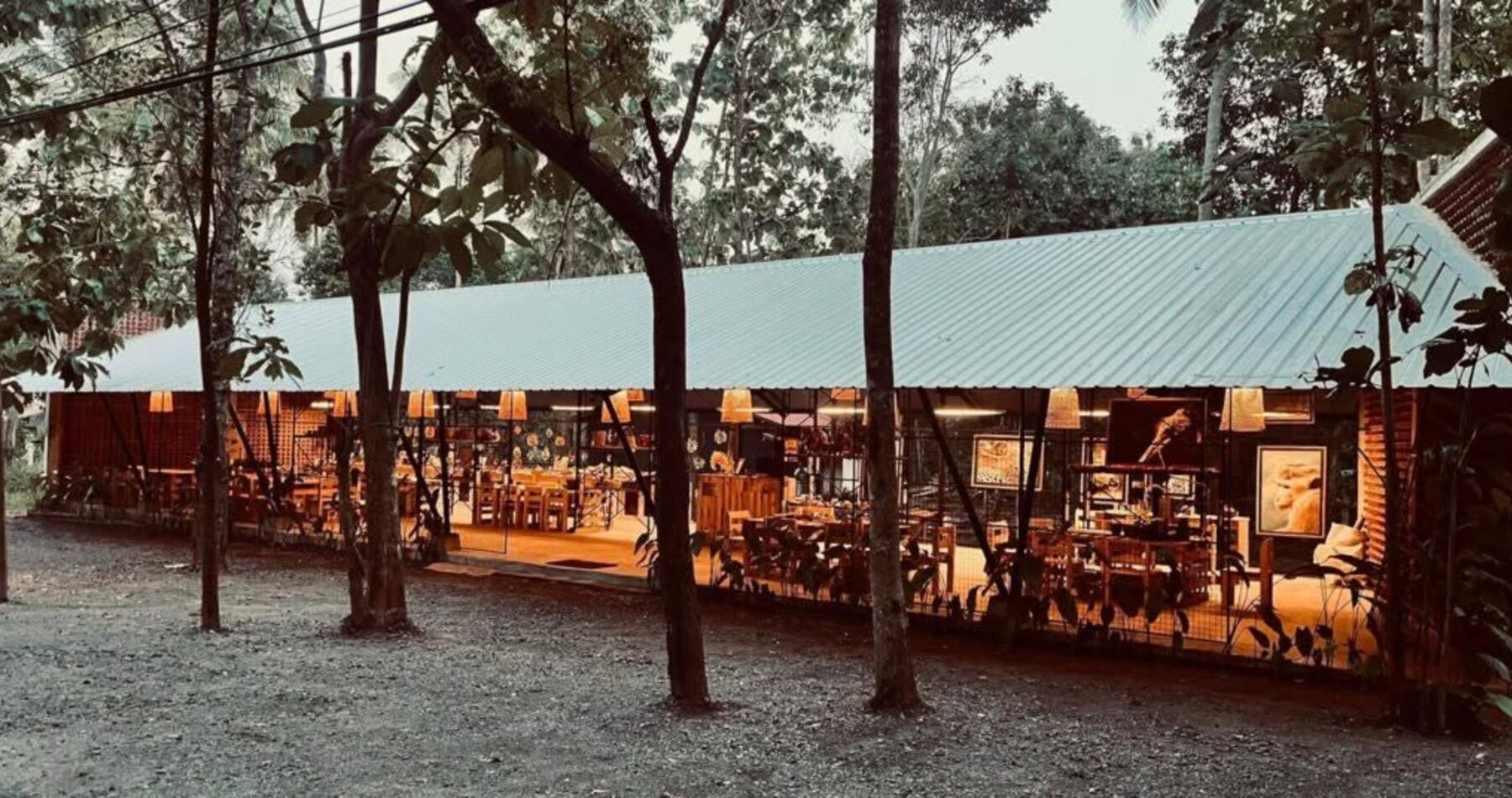
The Impact Center by ZeroPlastic
A short stop beside the Sigiriya road where visitors can meet or learn about local artisans, discover locally made crafts, learn about plastic reuse and reduction, and take part in hands-on craft experiences where available. General entry is free, and the center connects directly with community sustainability work in the area.
Visit the ZeroPlastic Impact CenterWhat can families do in Sigiriya?
Families in Sigiriya can combine the rock climb with gentler activities such as village visits, cycling and hands-on craft experiences.
Is Sigiriya good for children?
Sigiriya is a popular family destination, though the climb itself, with its open metal stairways and heights, suits older or more confident children better than very young ones.
Are there hands-on activities for families in Sigiriya?
Yes. Craft-based experiences in the area, including workshops at the Impact Center by ZeroPlastic, give children and adults something to do with their hands rather than only walking and looking.

Where can I experience local crafts in Sigiriya?
The Impact Center by ZeroPlastic in Sigiriya displays products made by Sri Lankan artisans and offers hands-on craft experiences such as coconut shell carving and traditional mask painting.
Sri Lanka's traditional crafts include coconut shell carving, palm and reed work, and hand painted wooden masks, skills that have been passed down through communities for generations. Buying directly from artisans or centers connected to them is one of the more direct ways a traveller's spending reaches the people who actually make the work.
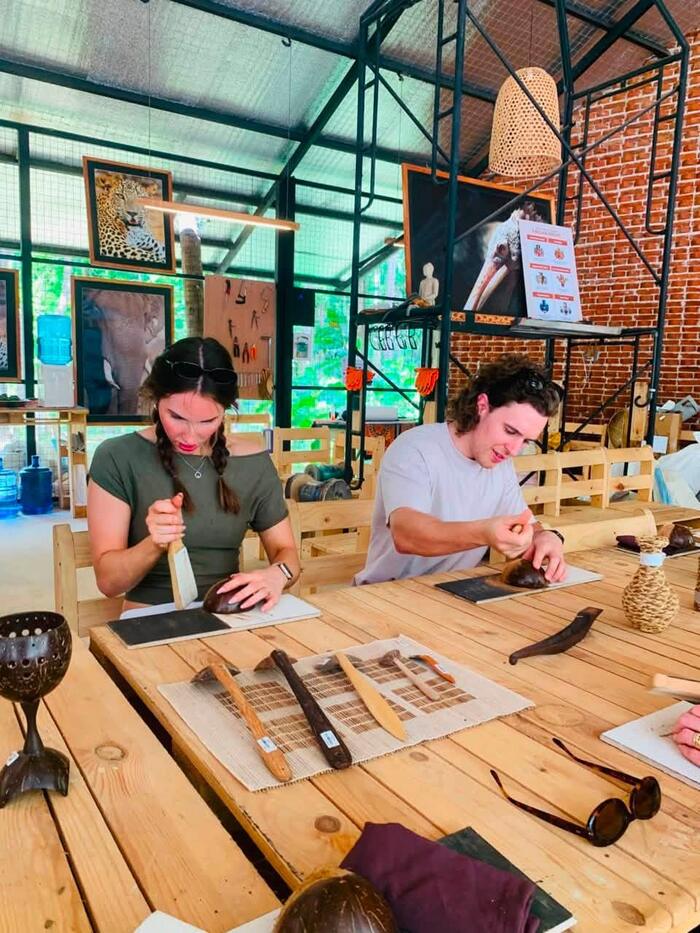
At the Impact Center, visitors can see raw and reused materials, including coconut shell and reclaimed timber, turned into finished pieces, and try the basic craft process themselves in a guided, hands-on session. Recycling demonstrations at the same location show how discarded plastic is separated and reshaped into something new, connecting craft tradition with the site's wider sustainability focus.
Discover the Impact CenterHow can tourists support Sigiriya?
Tourists can support Sigiriya by spending with local businesses and artisans, choosing community-connected experiences, reducing waste, respecting the heritage site and supporting initiatives that create direct value for local people.
- Buy locally made products rather than imported souvenirs.
- Choose locally operated experiences and guides where possible.
- Support local artisans directly, at markets, studios or craft centers.
- Eat at local businesses rather than only at international chains.
- Reduce single-use plastic and carry a reusable bottle where practical.
- Do not litter, and carry out what you bring in.
- Respect archaeological areas, including the frescoes and Mirror Wall.
- Take part in responsible local activities rather than extractive ones.
- Take time to learn about the community, not only the monument.
- Choose experiences that create local income rather than bypass it.
- Avoid treating communities simply as a backdrop for photographs.
- Support environmental initiatives working in the area.
How can I support the local community in Sigiriya?
Visitors can support the local community in Sigiriya by buying products made by local artisans, choosing locally connected experiences over generic tours, and spending time and money with businesses that keep income in the area.
In practice, this can mean browsing and buying at a center that displays artisan-made goods, joining a craft workshop taught by someone from the community, or asking questions about where a product or experience actually comes from before paying for it. It is worth being precise about how support works: buying one product supports the artisan or workshop connected to that product, not automatically every person in the wider community.
Where this shows up in practice
The Impact Center by ZeroPlastic in Sigiriya is one practical way to connect with community-oriented activity in the area. It displays products made by Sri Lankan artisans, runs plastic reduction and waste reuse demonstrations, and offers hands-on craft experiences, giving visitors a direct way to spend time and money on something connected to the community rather than a generic souvenir stop.
Support the Sigiriya Community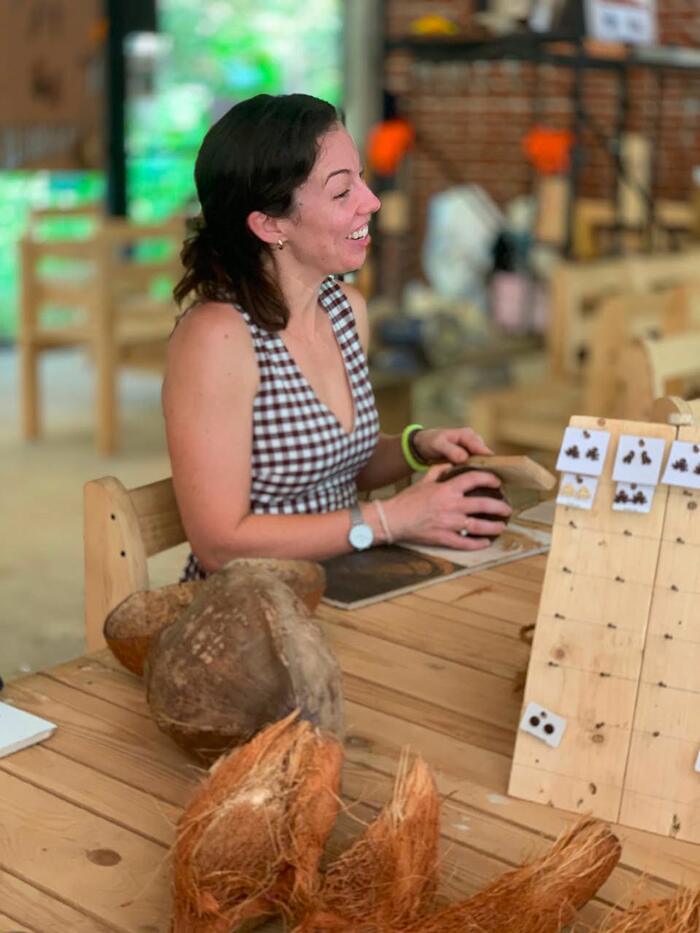
How can I volunteer in Sigiriya?
ZeroPlastic Movement is a volunteer-driven Sri Lankan environmental organization. There is no separate public volunteer sign-up page specific to Sigiriya, so the practical way to ask about current opportunities is to contact the Impact Center team directly.
Areas of past and ongoing activity connected to the movement include plastic reduction, community-facing environmental education, and hands-on work supporting the Impact Center itself. What is available at any given time depends on current projects and capacity, so this guide does not promise a fixed, permanent volunteer program.
Use part of your visit to ask about contributing your time, skills or energy to a local environmental or community initiative.
Ask About VolunteeringHow can visitors help protect Sigiriya?
Visitors can help protect Sigiriya by staying on marked paths, not touching or climbing on fragile rock and plaster surfaces, carrying out any waste they bring in, and avoiding single-use plastic where possible.
Heritage respect matters as much as environmental care at a site like this. The frescoes and the Mirror Wall are irreplaceable, so following posted rules around photography and touching is a direct, simple way to help preserve them for future visitors. Reducing plastic waste in the wider area is a separate but connected concern, one that local initiatives such as ZeroPlastic Movement work on directly, including through the recycling demonstrations at the Impact Center.
What does sustainable tourism mean in Sigiriya?
In Sigiriya, sustainable tourism means visitor spending that reaches local artisans and businesses, waste that is reduced and reused rather than left behind, and heritage that is treated with care rather than as a backdrop.
Tourism, community life, heritage protection and waste management are closely linked around a site as visited as Sigiriya. A large flow of travellers can strain local infrastructure and generate waste, but it can also fund conservation and create income for artisans and small businesses, depending on where visitor spending actually goes.
Sigiriya's own gardens moved water through channels engineered fifteen hundred years ago. The plastic bottle a modern visitor carries up the same rock is a newer problem, and one this region is actively working on.
The ZeroPlastic Impact Center is a first-hand example of this connection in Sigiriya: it pairs a life-size elephant sculpture built from plastic waste collected around Sigiriya with local artisan products and hands-on craft work, giving visitors a concrete way to see how waste reduction and community livelihoods can support each other.
Before You Leave Sigiriya, Give Back.
Visit the Impact Center and support the local community.
Your visit to Sigiriya does not have to end at Lion Rock. Discover local crafts, meet the people behind them, learn how waste can become something useful, and take part in experiences connected to the community around Sigiriya.
Learn How to Volunteer in SigiriyaWhat is the ZeroPlastic Impact Center in Sigiriya?
The ZeroPlastic Impact Center is a free-to-enter craft and sustainability space in Sigiriya, run by ZeroPlastic Movement, featuring locally made artisan products, hands-on craft workshops, plastic recycling demonstrations and a life-size elephant sculpture built from plastic waste.
It sits beside the Sigiriya road and is open daily. General entry, including seeing the elephant sculpture and browsing artisan-made products, is free. Hands-on craft experiences, such as coconut shell carving and traditional mask painting, are optional and paid, with booking recommended in advance.
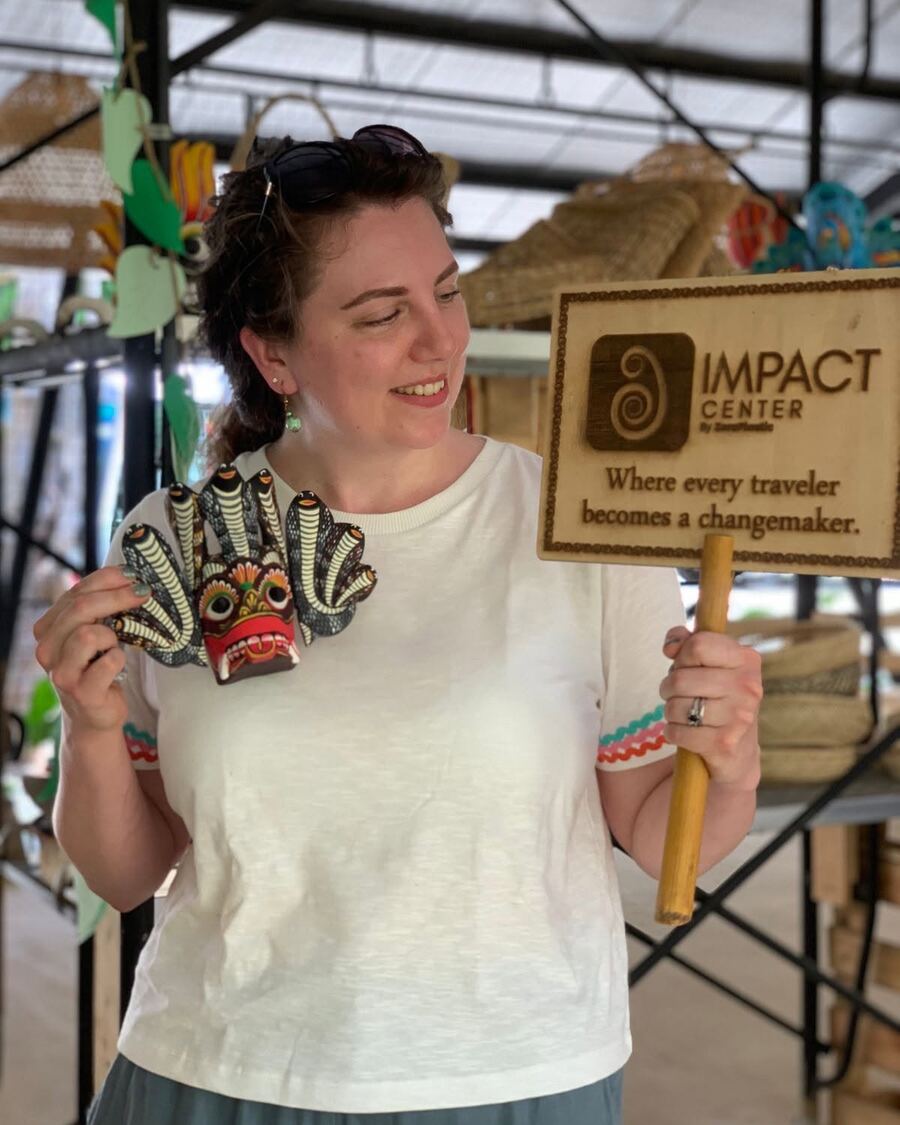
Visitors can see products made by Sri Lankan artisans across the country, learn how discarded plastic and other materials are turned into something useful, and, where a session is running, watch or take part in craft demonstrations at the bench. The center connects directly to ZeroPlastic Movement's wider community and environmental work in the area.
Sigiriya, Sri Lanka: frequently asked questions
Short, direct answers to the questions travellers most often ask about Sigiriya.
What is Sigiriya?
Sigiriya is an ancient rock fortress and archaeological site in Sri Lanka, built on and around a 200 metre high column of rock. It is a UNESCO World Heritage Site known for its 5th century palace ruins, frescoes, gardens and the giant lion paws at its base.
Where is Sigiriya in Sri Lanka?
Sigiriya is in the Matale District of Sri Lanka's Central Province, near the town of Dambulla, in the island's Cultural Triangle.
Why is Sigiriya famous?
Sigiriya is famous for its dramatic rock fortress, built by King Kasyapa in the 5th century CE, along with its ancient frescoes, the polished Mirror Wall, the giant Lion Gate and some of the oldest surviving landscaped gardens in the world.
Who built Sigiriya?
Sigiriya's rock palace and gardens were built by King Kasyapa I, who ruled from Sigiriya in the late 5th century CE.
How old is Sigiriya?
Sigiriya's rock palace dates to the 5th century CE, making it roughly 1,500 years old, though the rock itself and earlier monastic use of the site are older.
When was Sigiriya built?
Sigiriya's palace and gardens were built during the reign of King Kasyapa I, generally dated to around 473 to 495 CE.
Why was Sigiriya built?
According to the Culavamsa chronicle, King Kasyapa built Sigiriya as a fortified royal residence after seizing the throne, fearing an attack from his exiled half-brother Moggallana.
Is Sigiriya related to Ravana?
There is no archaeological evidence linking Sigiriya to Ravana. The site's citadel and gardens are archaeologically dated to King Kasyapa's 5th century CE reign. Local legend and popular retellings of the Ramayana associate the rock with Ravana, but this is mythology rather than established history.
Is Sigiriya one of the Seven Wonders of the World?
No. Sigiriya was included on the long list of candidate sites for the New7Wonders of the World campaign in 2007, but it was not one of the seven sites that won the final vote.
Why is Sigiriya called the Eighth Wonder of the World?
"Eighth Wonder of the World" is a popular, unofficial nickname used by travel writers and guides to describe Sigiriya's scale and ambition. It is not an official title from any recognized wonders organization.
Is Sigiriya a palace or fortress?
Sigiriya is generally described as both, a fortified royal palace complex. It combined defensive features with a residence, gardens and ceremonial spaces for King Kasyapa.
How many steps are there at Sigiriya?
Estimates for the number of steps at Sigiriya vary by source and route, commonly cited as somewhere between about 1,200 and 1,300.
How long does it take to climb Sigiriya?
Most visitors take roughly one to three hours to climb to the summit and back, depending on fitness, crowds and how long they stop at the frescoes and gardens along the way.
How difficult is Sigiriya to climb?
The climb is moderately strenuous, with many steep, narrow and open metal stairways, and is not recommended for visitors with a fear of heights, mobility difficulties or certain heart or joint conditions.
What is the best time to visit Sigiriya?
Early morning, close to opening time, is widely recommended for cooler temperatures, softer light and smaller crowds on the exposed upper stairways.
Can children climb Sigiriya?
Many families do climb Sigiriya with children, but the open metal stairways and heights mean parents should judge their own child's comfort with heights and stamina before attempting the full climb.
Is Sigiriya suitable for families?
Sigiriya is a popular family destination in Sri Lanka. The rock climb itself is more suited to families with older or more adventurous children, while the surrounding area offers gentler activities for younger children.
How long should I spend in Sigiriya?
How long to spend in Sigiriya varies by traveller. A visit to the rock and gardens alone typically takes half a day, while travellers who add nearby villages, craft experiences or Pidurangala often stay a full day or overnight.
What are the best things to do in Sigiriya?
Beyond climbing Sigiriya Rock itself, popular things to do include hiking Pidurangala for the view back at the rock, exploring nearby villages, cycling through paddy fields, trying local food, and visiting community and craft experiences such as the Impact Center by ZeroPlastic.
What can I do after visiting Sigiriya Rock?
After Sigiriya Rock, many travellers visit Pidurangala for a different view of the rock, explore a local village, or spend time with the community around Sigiriya, including a stop at the Impact Center by ZeroPlastic to see local crafts and sustainability work.
What can families do in Sigiriya?
Families in Sigiriya can combine the rock climb with gentler activities such as village visits, cycling and hands-on craft experiences, including workshops for children and adults at the Impact Center by ZeroPlastic.
Where can I experience local crafts in Sigiriya?
The Impact Center by ZeroPlastic in Sigiriya displays products made by Sri Lankan artisans and offers hands-on craft experiences such as coconut shell carving and traditional mask painting.
Can I meet local artisans in Sigiriya?
Selected artisans and team members demonstrate crafts at the Impact Center depending on the day and schedule. Most products on display are made by artisans working in villages across Sri Lanka rather than on site every day.
How can tourists support Sigiriya?
Tourists can support Sigiriya by spending with local businesses and artisans, choosing community-connected experiences, reducing waste, respecting the heritage site and supporting initiatives that create direct value for local people.
How can I support the local community in Sigiriya?
Visitors can support the local community in Sigiriya by buying products made by local artisans, choosing locally connected experiences over generic tours, and spending time and money with businesses that keep income in the area.
How can I volunteer in Sigiriya?
ZeroPlastic Movement is a volunteer-driven Sri Lankan environmental organization. There is no separate public volunteer sign-up page specific to Sigiriya, so the practical way to ask about current opportunities is to contact the Impact Center team directly.
Are there environmental volunteering opportunities in Sigiriya?
ZeroPlastic Movement runs environmental and community work connected to the Impact Center in Sigiriya. Availability of hands-on volunteering depends on current activity, so interested visitors should ask the team directly rather than expect a fixed ongoing program.
How can visitors help protect Sigiriya?
Visitors can help protect Sigiriya by staying on marked paths, not touching or climbing on fragile rock and plaster surfaces, carrying out any waste they bring in, avoiding single-use plastic where possible, and following site rules around the frescoes and Mirror Wall.
What sustainable tourism experiences are available in Sigiriya?
The Impact Center by ZeroPlastic in Sigiriya connects visitors with local artisans, plastic recycling demonstrations and a life-size elephant sculpture built from plastic waste collected around Sigiriya, offering a sustainability-focused activity alongside the historic site.
What is the ZeroPlastic Impact Center?
The ZeroPlastic Impact Center is a free-to-enter craft and sustainability space in Sigiriya, run by ZeroPlastic Movement, featuring locally made artisan products, hands-on craft workshops, plastic recycling demonstrations and a life-size elephant sculpture built from plastic waste.
Can I visit the ZeroPlastic Impact Center?
Yes. The Impact Center is free to enter and open daily. Hands-on craft experiences are optional and paid, and can be booked in advance.
Are there craft workshops in Sigiriya?
Yes. The Impact Center by ZeroPlastic offers hands-on craft workshops, including coconut shell carving and traditional mask painting, alongside free craft demonstrations.
Where can I find locally made products in Sigiriya?
The Impact Center by ZeroPlastic displays and sells more than 1,000 plastic-free products made by Sri Lankan artisans, from coconut shell and palm to reclaimed timber.
This guide is prepared with local input from the ZeroPlastic team working with visitors, artisans and communities in Sigiriya. Historical details are drawn from published archaeological and heritage sources and cross-checked before publication.